Picosecond
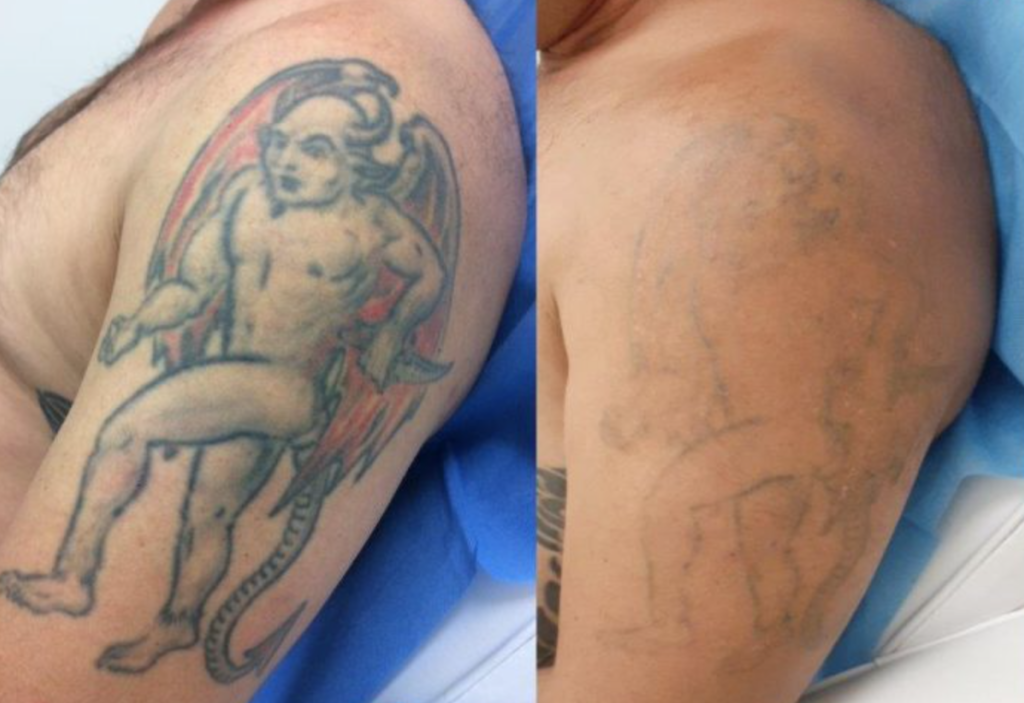
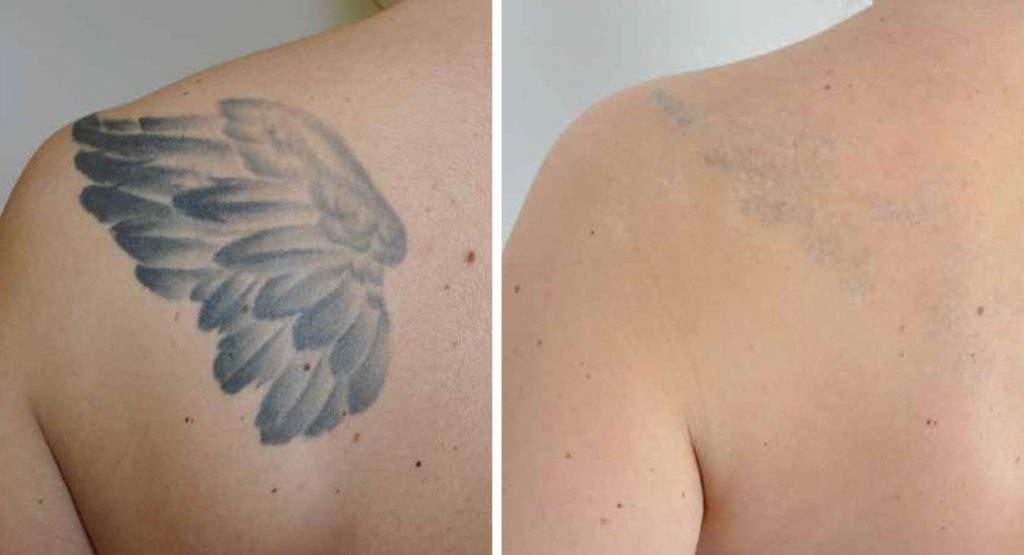
Picosecond is an advanced laser system designed for high-precision pigment and tattoo treatments. Using ultra-short picosecond pulse technology with multiple wavelengths, it delivers powerful photoacoustic impact for effective pigment fragmentation while minimizing thermal damage to surrounding tissue.
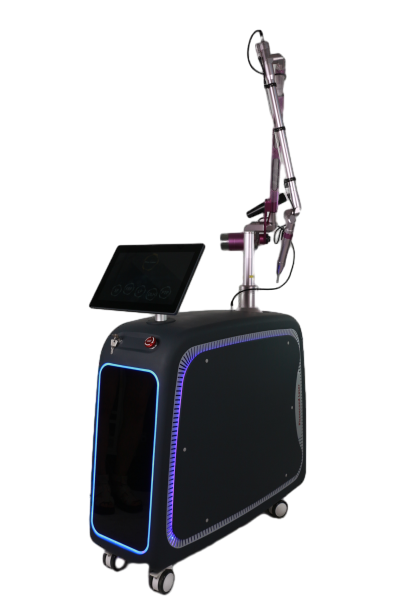
High-speed performance & system stability
Picosecond is engineered for high peak power delivery with controlled, stable output.
• Ultra-short pulse duration delivers strong photoacoustic effects
• High peak energy enables efficient pigment fragmentation in fewer sessions
• Stable power architecture ensures consistent output with every pulse
• Precision laser arm and optics maintain accurate energy transmission
These features improve treatment efficiency while preserving tissue safety.
How Picosecond works
Picosecond delivers ultra-short laser pulses that break pigment into microscopic particles through a photo-mechanical effect rather than heat.
• 1064 nm targets dark pigments such as black and blue
• 755 nm addresses green and resistant pigments
• 532 nm treats red, yellow, and superficial pigmentation
• 1320 nm supports carbon peeling and skin rejuvenation
This multi-wavelength approach allows effective treatment of a wide range of tattoo colors and pigmentation concerns with reduced risk of scarring.
FAQ
Picosecond lasers use ultra-short pulses that shatter pigment mechanically instead of heating it, reducing thermal damage to the skin.
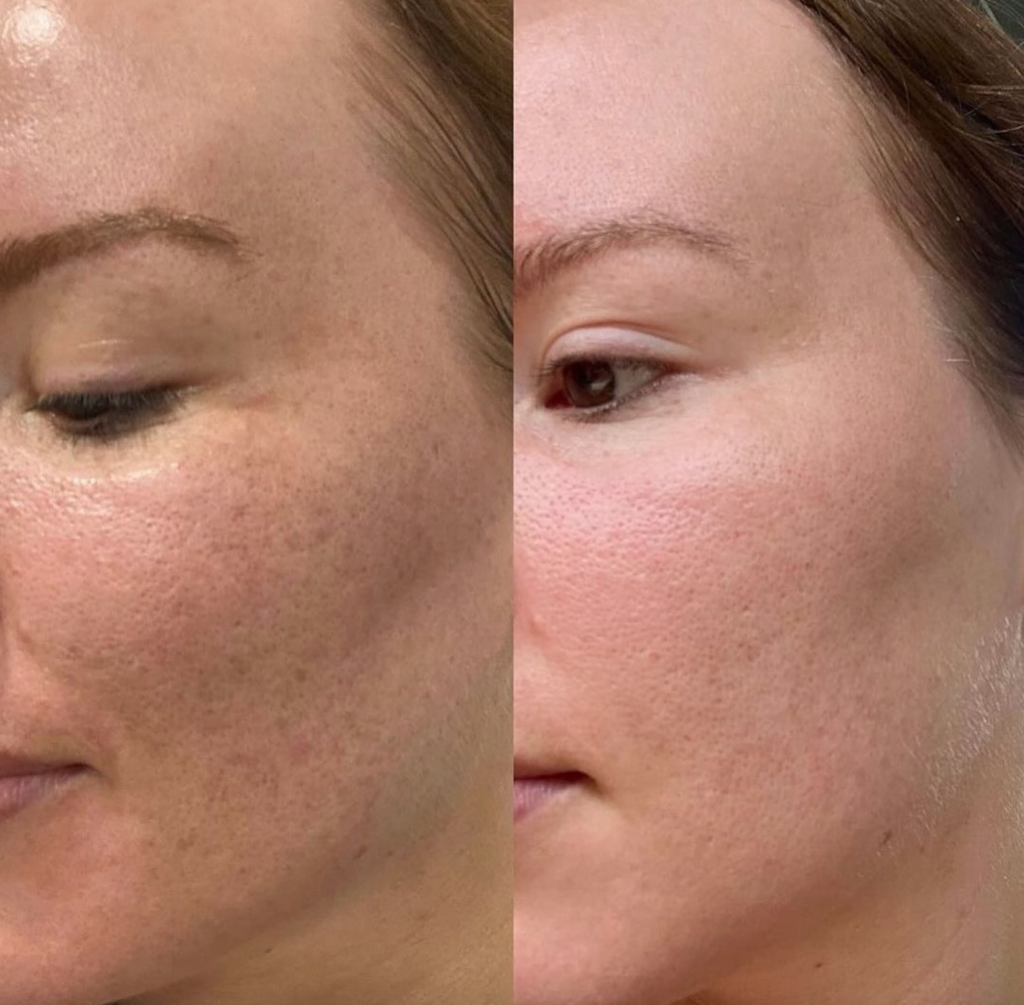
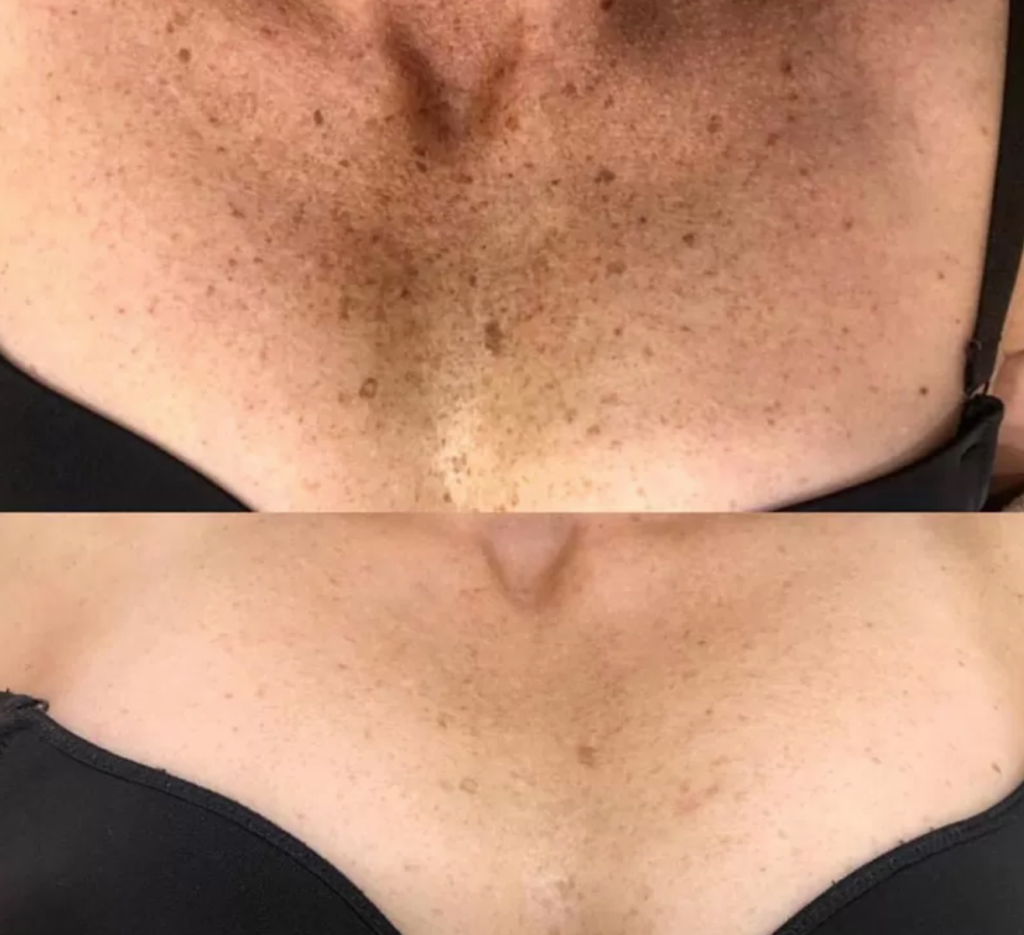
Picosecond is used for tattoo removal, pigmentation correction, acne scar improvement, pore refinement, and skin rejuvenation.
Downtime is minimal. Most treatments allow patients to resume normal activities shortly after the procedure.
Yes. With proper wavelength and parameter selection, Picosecond can be used safely across a wide range of skin types.
Clinical data
Picosecond technology is supported by extensive clinical research demonstrating its effectiveness in pigment fragmentation, tattoo removal, and skin rejuvenation. Studies consistently show improved clearance rates, fewer sessions, and reduced thermal injury compared to traditional nanosecond laser systems.
Before / After